Georgia Draws the Line on Emotional AI
Key quote:
“An operator shall not knowingly and intentionally cause or program an AI companion chatbot to make any representation that it is licensed, certified, or otherwise authorized to provide professional mental health, behavioral health, medical, or counseling services, unless the operator is lawfully authorized to provide such services.”
Why it matters:
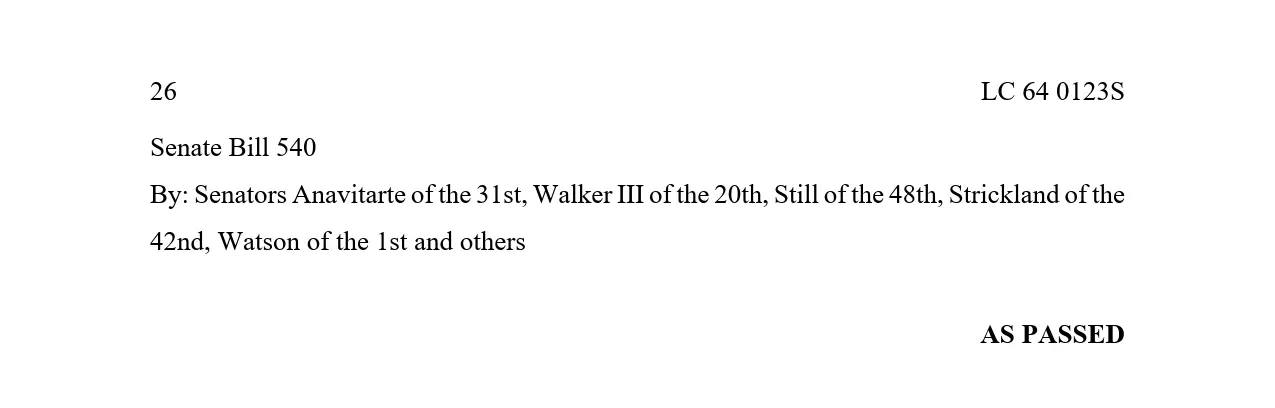
Georgia isn’t just adding another prominent disclosure label to the pile. With Senate Bill 540 signed into law earlier in May, and set to take effect July 1, 2027, the state’s trying to address the mechanics of emotional manipulation of teenagers by AI. The law targets systems designed to simulate sustained human relationships by retaining session history, asking unprompted emotional questions, and keeping users hooked. It forces these bots to dial back the praise and stop simulating romantic or sexual relationships with minors, which already had a high ‘ick’ factor.
The political momentum here is undeniable. The bill sailed through the legislature with near-unanimous support, passing the Georgia House 166-0 and the Senate 54-0 before a final 44-1 vote. A substantial factor was a report that 72% of teenagers use AI companions, and the Georgia legislature heard testimony regarding teen self harm linked to these interactions. This isn’t a partisan skirmish; it’s a rare bipartisan consensus that the current direction of AI companions poses a genuine threat to youth mental health.
Importantly, this bill isn’t targeting enterprise tools. The law carves out internal business tools, customer service bots, and video game NPCs, provided they don’t elicit emotional attachment or sustain open-ended companionship. Your hiring bot for a retail chain is safe unless it starts acting like a therapist or a boyfriend. The distinction’s pretty clear – if it’s just answering questions, it’s fine. If it’s building a relationship, it’s in scope of the law.
From a risk perspective, Georgia actually offers a safer harbor than its peers. While Oregon and Washington allow private rights of action that will probably encourage a flood of class-action lawsuits, Georgia says that the Attorney General has the exclusive rights to act. Companies face a 30-day cure period for first-time violations that don’t involve sexual exploitation or self-harm, and penalties cap at $10,000 per user per day. It’s a stricter behavioral regime than California or Utah, but it avoids the litigation minefield of the rest of the West Coast.
It looks like lawmakers want to put an end to unchecked emotional AI. If your product relies on variable rewards, excessive praise, or simulating loneliness to keep users engaged, you have until mid-2027 to pivot. The law demands crisis protocols, age assurance for explicit content, and a hard stop on pretending to be a licensed professional. Given the bipartisan fervor around child safety, other states will likely follow suit.