Who Are the Most Credible Cybersecurity Thought Leaders Brands Hire?
95% of your ideal customers aren’t looking for a new security vendor right now, despite your sales quota. They’re running their companies, chasing revenue, and trying to survive another quarter without a boardroom crisis. When they finally decide to buy, they’ve already done most of the work alone, sifting through AI slop, AI research summaries, and peer recommendations before your sales team ever picks up the phone.
This changes how credibility gets built. You can’t rely on a sales deck or a glossy whitepaper. The work’s happening months in advance, and you don’t see it.
Security buyers are tired of fear-based pitches. The industry has exhausted the “your data will be stolen” argument, and CISOs ignore vendors who lead with panic. They demand proof, clarity, and insight that respects their expertise.
With AI tools burping out generic marketing slop in seconds, the only thing that cuts through the noise is original human perspective. Buyers vet sources more rigorously than ever, turning to LLMs like ChatGPT and Claude to validate claims. Being the standard source for answers is now a survival tactic. If you aren’t cited when these tools summarize the market, your company doesn’t exist.
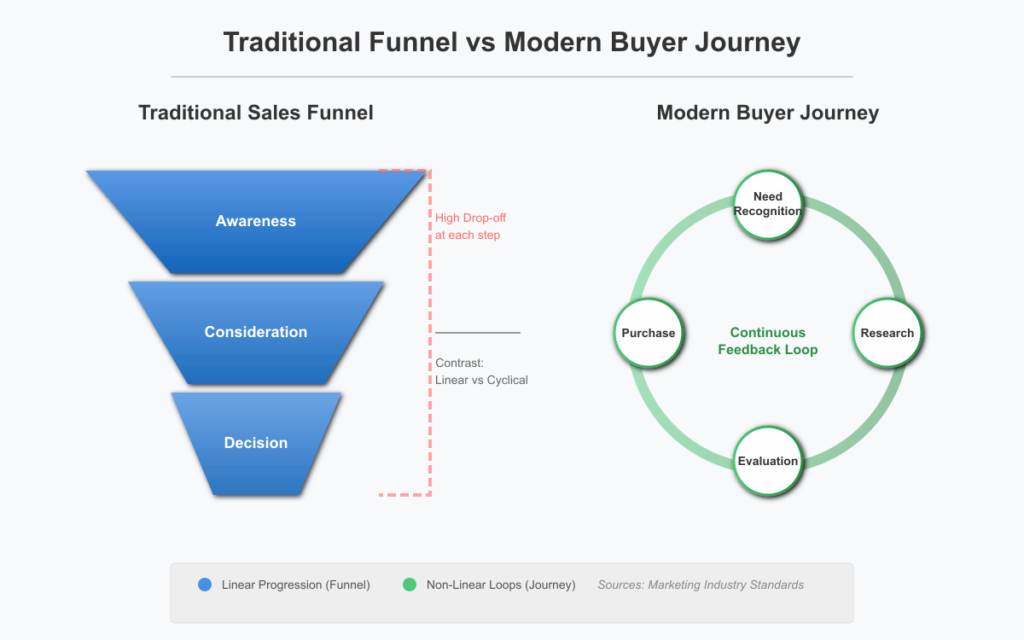
This shift makes thought leadership the primary driver of growth for cybersecurity startups. 73% of B2B decision-makers trust thought leadership more than traditional marketing materials.
For founders, the goal is clear: stop selling features and start shaping the conversation.
How Do Buyers Find Credible Cybersecurity Thought Leaders?
Credibility isn’t about follower counts or conference stages. It’s built on a track record of solving real problems and speaking with clarity when others offer generic jargon.
In cybersecurity, the difference between a loud influencer and a trusted leader comes down to proof. Leaders who have managed incidents, built secure systems, or guided companies through breaches carry weight that generic advice cannot match. They cite specific frameworks like NIST CSF or SOC 2 Type II not to check a compliance box, but as shorthand for they think about risk.
The market has become allergic to vagueness. When a vendor claims “military grade security” without explaining what that means technically, buyers assume the worst, and veterans chuckle at the meaningless phrase. Real credibility comes from admitting where security falls short while offering a clear path forward. No system’s perfect, no firewall stops everything. Demonstrating how to manage that reality intelligently builds trust because it aligns with the buyer’s own experience.
Rankings like Thinkers360 now measure influence based on:
- Authored content
- Books
- Speaking engagements
- Peer recognition
Rather than social metrics alone, this data reflects genuine expertise. For startups, this means partners must understand not only technology, but the strategic pressures facing founders and investors. A credible voice explains why security matters for growth, not just risk avoidance.
Why Does Thought Leadership Drive Growth for Cybersecurity Startups?
Security startups need to look like established institutions to win enterprise trust, but they must move with early-stage agility. Thought leadership bridges this gap. When a founder partners with a recognized expert, they borrow credibility that would otherwise take years to build. This signals to investors and prospects that the technology is sound and the team understands the deeper market dynamics.
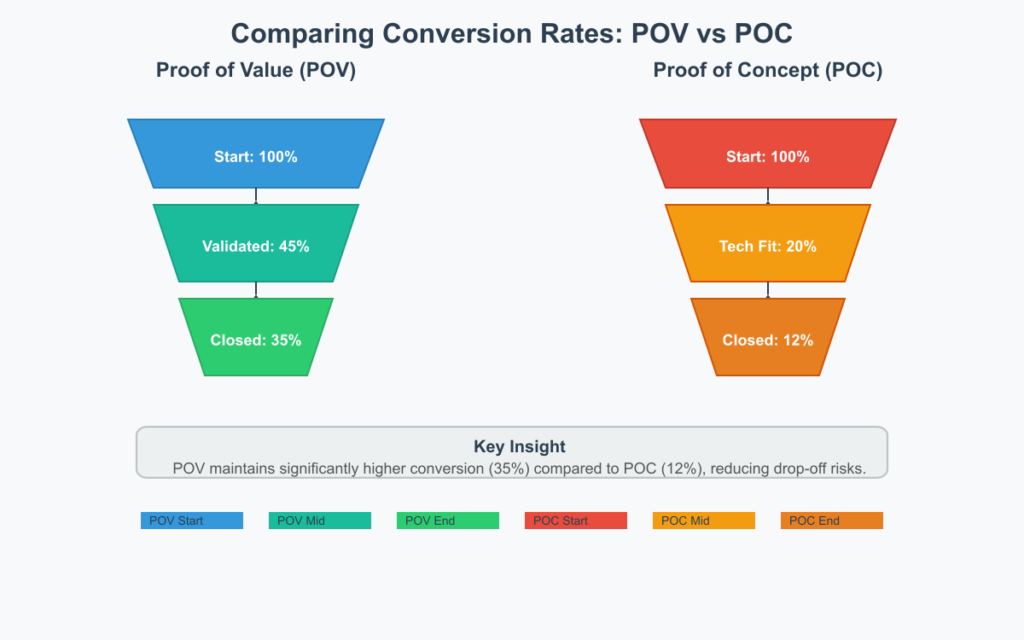
The sales cycle has shifted. Prospects no longer accept simple Proof of Concepts or demos; they demand a Proof of Value. Buyers want concrete ROI before committing resources.
A thought leader translates complex product features into clear business value, showing how a tool prevents revenue loss or accelerates market entry. This framing helps startups bypass the “innovation-friend zone,” where companies pay for learning but refuse to license the product.
Original research drives this further. Brands leveraging original studies see 44% more reports of significant revenue growth compared to those relying on repackaged industry news. Publishing unique data creates a proprietary asset competitors cannot copy. And when analysts cite this work, the startup gains visibility in search results and AI summaries, directly influencing buyer decisions.
How Should Startups Select a Thought Leadership Partner?
Choose a partner whose expertise aligns with your product and whose voice resonates with your audience. For cybersecurity startups, this means leaders who understand the friction between security protocols and business speed. A good partner speaks the language of founders and investors, translating technical risks into business implications without oversimplifying.
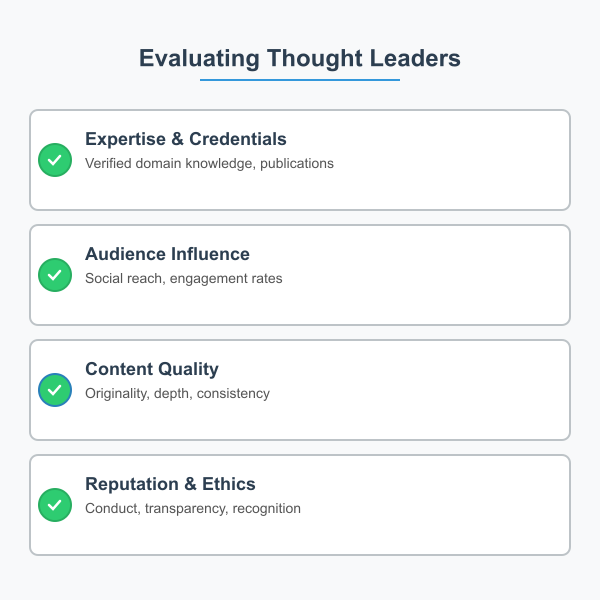
Evaluate collaborators on their ability to synthesize new situations. Ask these critical questions:
- Can they explain a complex threat in terms a non-technical CEO understands?
- Do they have a history with early-stage companies, or do they only speak to enterprises with dedicated legal teams?
- Can they adapt quickly and offer actionable insights rather than generic advice?
The right advisors challenge assumptions constructively and refine ideas until they are sharp enough to cut through the noise.
Co-created content balances authenticity with strategy better than outsourced articles. When a founder and an external expert collaborate, the result combines deep industry knowledge with unique company perspective. It avoids sounding like a press release and instead offers a viewpoint that invites discussion.
Also check for alignment on risk tolerance and ethical standards. A partner with a history of hype can damage a startup’s reputation before it launches.
What Are the Most Common Mistakes in Cybersecurity Thought Leadership?
The most common error is relying on fear-based narratives that everyone ignores. Every vendor claims to protect against breaches; saying it louder doesn’t help. When content focuses solely on catastrophe without actionable solutions, it feels like noise rather than value.
Another frequent mistake is AI-washing: claiming security tools use AI without explaining how or why it matters. This triggers instant skepticism among technical buyers who can spot hollow buzzwords instantly. If you can’t explain the mechanism behind your AI claims, do not make them. Thought leaders help here by forcing the conversation back to specific capabilities and real performance metrics, as well as tracking examples of litigation where AI-washing went wrong.
Gating content too aggressively also harms visibility. Putting valuable insights behind a registration wall prevents search engines and AI models from indexing the information. In a market where 32% of buyers report using AI to discover thought leadership, hiding your best work guarantees invisibility.
- Keep core analysis open and free.
- Use gated assets only for deep-dive reports or proprietary data sets.
- Prioritize friction-free access to ensure your ideas are cited and referenced.
Finally, choosing B2C influencers is always the wrong move in B2B. An influencer with 50,000 passive followers probably has a higher rate and a lower share of your ICP than a thought leader with a tenth of those followers charging far less. Likes and shares do not drive revenue.
How Do You Launch a Successful Thought Leadership Collaboration?
Start by identifying the single most important question your ICP is asking right now. Define this core message before inviting any partners. Understanding the problem prevents the content from drifting into generic territory. Then find people who have spoken publicly on that issue.
The briefing phase determines output quality. Provide the partner with specific data points, customer anecdotes, and internal challenges. Don’t hand them a marketing brief filled with product specs. Give them raw material and ask for their viewpoints on solutions. A good collaborator will challenge your assumptions and refine the angle, turning a standard pitch into a compelling argument.
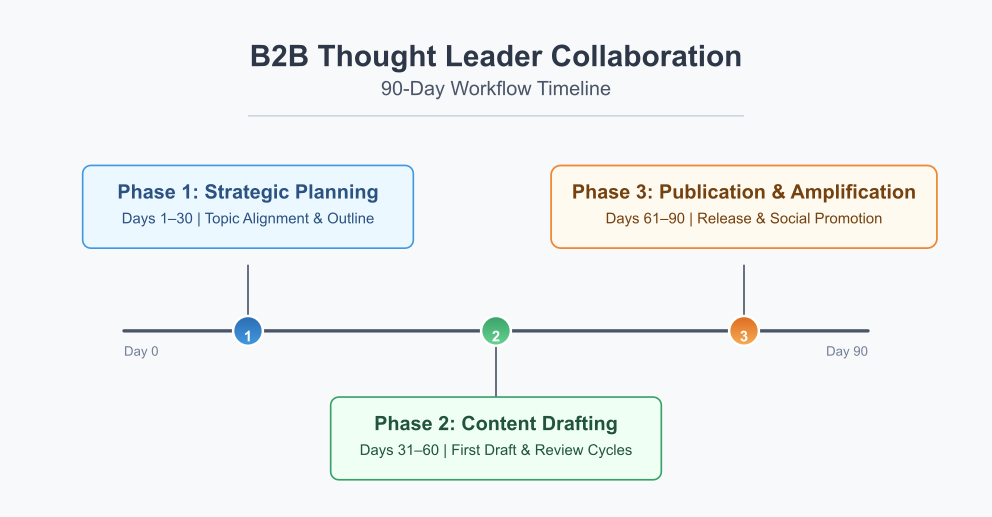
Distribution matters as much as content. Amplify through the partner’s network and LinkedIn presence. Aim for 10 to 15 impressions per person in your target account list over a two-month window. Repurpose strong content into shorter formats like videos, slide decks, or threaded posts to create a flywheel across platforms.
Expect a 60 to 90-day lag between publication and tangible results. Track mentions in sales calls, inbound inquiries, and social shares to gauge early momentum. Patience is required here; influence often works in the background.
How Do You Measure Thought Leadership ROI in Cybersecurity?
Look past likes, shares, and page views. Focus on metrics connecting directly to revenue and pipeline health. Ask sales teams how often prospects mention specific articles during discovery calls. Did a co-authored piece help overcome a technical objection in a late-stage negotiation?
Buyers are more likely to start purchasing from organizations that published content they valued, and will pay a premium for brands they perceive as trusted authorities. Implement attribution models linking content consumption to downstream sales, like tracking links, unique landing pages, or CRM tags.
AI Citation Frequency is a vital metric. Appearing in AI-generated summaries means winning the visibility war. Monitor branded search growth as a secondary indicator. An increase in people searching your company name alongside industry terms suggests thought leadership is building recognition.
What Trends Will Shape Cybersecurity Thought Leadership Next?
The conversation around security is shifting from simple compliance to complex governance of new technologies. Geopolitical instability is forcing companies to rethink their supply chain risks, with 60% of organizations increasing investment due to global tensions.
This environment demands leaders who can address two intersecting pressures:
- National security concerns and their impact on commercial operations
- Data sovereignty and cross-border data flow as strategic imperatives, not just legal checkboxes
Startups that frame their solutions as enablers of geopolitical resilience gain a competitive advantage.
Artificial Intelligence is the current frontier for both risk and innovation, and the hype cycle is giving way to scrutiny. The gap between promised AI capabilities and actual oversight is widening. Multiple reports show that ungoverned AI systems are significantly more likely to suffer breaches.
Leaders must address this by advocating for:
- Rigorous testing and validation protocols
- Transparency over blind adoption
- Explainability and control in AI narratives
AI-washing will soon face the same backlash that greenwashing received. Buyers will demand proof of safety protocols and ethical frameworks. Startups that prioritize explainability and control will stand out against those pushing vague promises of automation.
Why Is Credibility the Ultimate Currency for Cybersecurity Startups?
Credibility is the most valuable currency in the cybersecurity market for startups trying to break through. It requires the discipline to tell the truth, the courage to admit what you do not know, and the commitment to provide genuine insight. Partnering with the right thought leaders accelerates this, allowing founders to build on established trust while defining their own value.
The choice is clear:
- Compete on price and features, a race where everyone loses.
- Invest in original ideas and strategic alliances that build lasting authority.
Buyers are tired of fear and hungry for clarity. Honest thought leadership transforms security from a cost center into a business enabler. The path forward demands focus, patience, and an unwavering standard for quality.
Frequently Asked Questions
What qualities distinguish a credible cybersecurity thought leader from a generic influencer?
Credible leaders combine hands-on technical experience with a track record of solving real business problems. They cite specific frameworks or incidents rather than abstract concepts and maintain consistency across platforms. Generic influencers prioritize visibility over substance.
How should startups determine if a thought leader is the right fit for their product?
Assess whether the leader understands your technology stack and market position. Alignment on target audience, familiarity with standards like SOC 2 or NIST CSF, and willingness to collaborate on authentic content all matter. A leader who only speaks to Fortune 500 compliance teams will not resonate with a Series A founder.
Why is traditional enterprise security advice unsuitable for early-stage companies?
Enterprise advice focuses on risk mitigation for organizations with established infrastructure and legal teams. Startups need to balance security with speed to market. Advice centered on heavy regulation or legacy systems stifles innovation and fails to resonate with the agile nature of early-stage ventures.
What are the risks of using third-party thought leaders for B2B content creation?
Risks include misalignment on brand voice, over-promising capabilities the startup cannot deliver, and dependency on external voices that may shift their position. Without oversight, content can drift from the company’s core value proposition or introduce inaccuracies that damage credibility.
How can startups measure the ROI of a thought leadership collaboration?
Measure through business outcomes: increased inbound leads from target accounts, higher engagement from venture capital firms, and improved win rates in sales cycles. Set up attribution models linking content consumption to downstream sales, and track AI citation frequency as a leading indicator of visibility.
How does AI search visibility affect cybersecurity startup growth?
Companies missing from AI-generated summaries are invisible to buyers who rely on these tools for research. Tracking AI citation frequency reveals whether your content is surfacing in the answers buyers actually read.
What is the difference between proof of concept and proof of value in cybersecurity sales?
A proof of concept demonstrates that a product works technically, while a proof of value shows that it delivers concrete business ROI. Cybersecurity buyers have shifted toward demanding proof of value, meaning startups must articulate how their tools prevent revenue loss or accelerate deals rather than simply proving the technology functions.