Your Cloud Bill Goes Up, Your Compliance Gap Goes Public
Key quote:
“This new vision represents a paradigm shift where over-engineered regulations designed for paperwork and compliance are replaced with streamlined regulations focused on core stewardship principles and nonregulatory guidance that will be used in concert with the streamlined FAR focused on proven buying strategies, critical thinking, market awareness… and risk literacy to enhance workforce problem-solving.”
Why it matters:
Doing business with the Federal Government? You have until July 23rd – that’s less than a month – to comment on a proposed rule that fundamentally changes which cloud services you can use while adding security requirements most civilian contractors haven’t seen before. This only affects your business if you’re handling Controlled Unclassified Information (CUI), which historically hasn’t always been correctly labeled or sent through channels as secure as TV shows about national security might suggest.
That cloud provider you rely on for billing, construction plans, or government document sharing now needs to be FedRAMP Moderate Equivalent. If you’re unfamiliar with that, as someone who’s worked on building systems that are FedRAMP Moderate, it means your costs are going up, because SaaS vendors aren’t going to do the extra work for free. It also means that there will be less choices for what to use, and probably a gap analysis required to determine if the services you’re currently using when working with the government aren’t compliant; industry used to call this “digital transformation,” but small to medium size contractors are going to consider this a nuisance.
Alongside these tool changes, contractors must now disclose any security gaps to contracting officers before contracts are awarded, coupled with a plan of action and milestones (yay, another spreadsheet!) for closing those gaps in CUI safeguarding. While this adds security, it forces process and technology control changes that create an initial burden for SMBs serving civilian agencies who previously operated without such rigorous oversight.
The rules also address historical inconsistencies in CUI labeling by requiring contractors to flag anything they find that should have been labeled, including their own proprietary business information, pricing data, or attributional content. As someone who’s hypothetically walked through what happens when a mechanical engineer is emailed unencrypted, unlabeled fighter jet plans from a Tacoma welding shop (again, hypothetically), expect plenty of finger pointing. Since these disclosures must happen within 72 hours, your information governance and incident response plans need immediate updates to handle both the mis-labeling issues and standard cybersecurity incidents involving CUI.
For prime contractors managing subcontractors, this means enduring even more painful third-party risk management questionnaires as primes update templates and supplier diligence procedures to limit their own exposure. The requirements flow down, so everyone in the supply chain potentially faces tighter scrutiny.
Beyond the disclosure headaches, there’s a new Standard Form (SF XXX, Controlled Unclassified Information Requirements) that becomes your primary communication channel. Contracting Officers must complete it to identify whether you handle CUI, which categories are involved, where data lives, and what safeguarding obligations apply. It aims to be a single source of truth rather than forcing you to hunt through solicitation provisions, though you can expect some variation until agencies standardize how they fill it out.
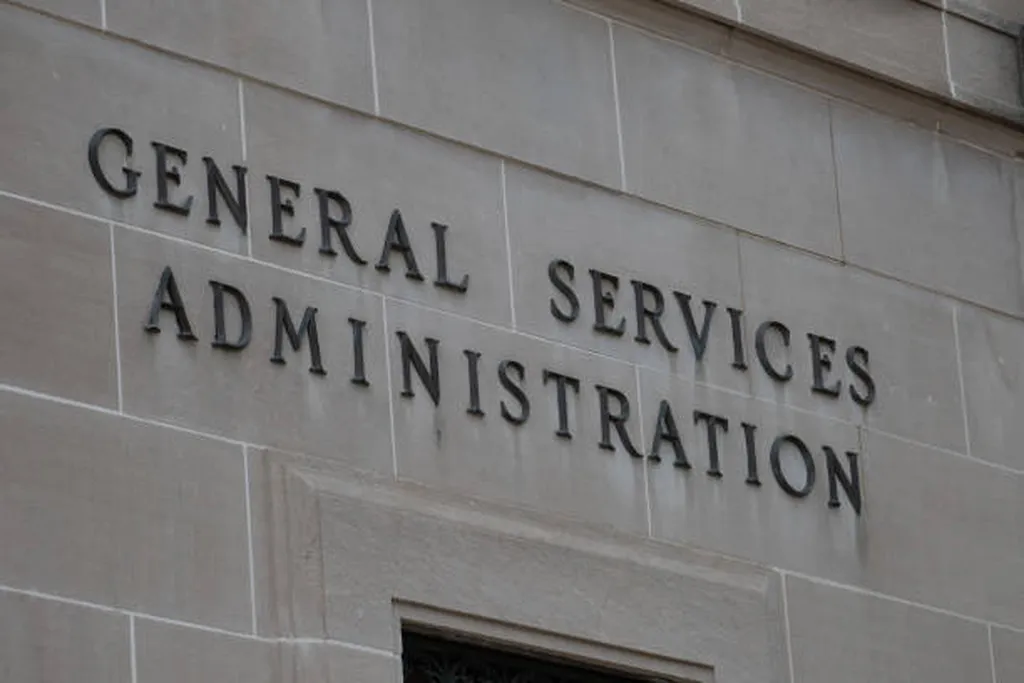
The one-size-fits-all training mandate that sparked pushback in January 2025 (the original copy from the GSA was removed) has been scrapped entirely. The original draft required specific curricula, but the new version mirrors other FAR requirements by focusing on whether employees actually possess the knowledge and skills to comply rather than mandating particular training programs. This practical shift helps smaller contractors who simply can’t afford enterprise-level compliance programs.
Incident reporting timelines have also shifted from 8 hours to 72 hours from discovery, a direct response to public comments noting the original window didn’t give contractors time to confirm if an event actually qualified as a CUI incident. When you combine that extension with the narrowed definition of “CUI incident” – which is now limited strictly to unauthorized disclosure, modification, destruction, or system access – you get a far less trigger-happy reporting regime than the first proposal suggested.
One final detail: the express language about contractor financial liability for government response costs found in the January 2025 version got deleted entirely. The government can still pursue enforcement through existing channels like False Claims Act litigation, but they’ll need to prove materiality and scienter rather than leaning on simple contractual liability hooks.
Thirty days to comment on a rule that restructures security requirements across the entire federal procurement system is aggressive. The comment period closes July 23. If you’re a civilian contractor who’s never dealt with CUI, that window is your best shot at shaping requirements that will land in your solicitations and contracts, likely in 2026. After that, you’re living with someone else’s decisions.