The Community Bank Wake-Up Call
Key quote:
Among the customer information the Bank has determined was disclosed are customer names, social security numbers and dates of birth.
Why it matters:
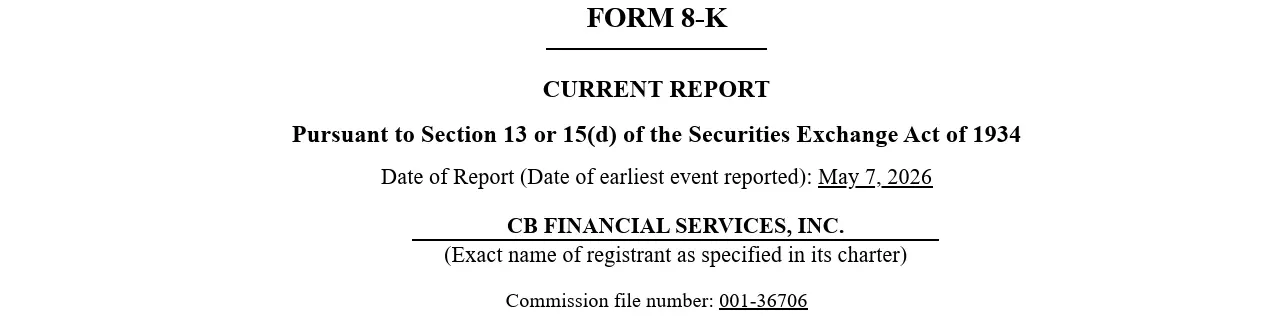
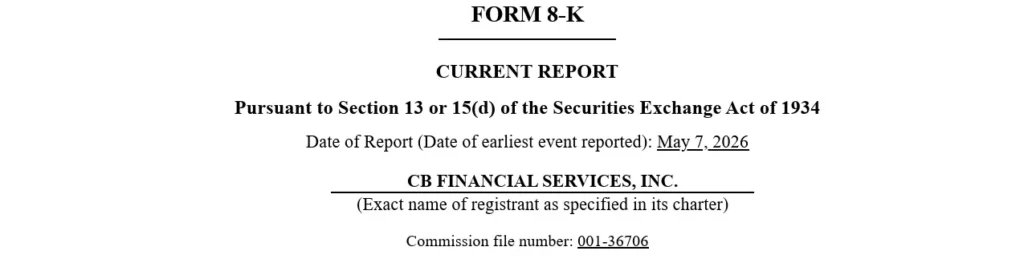
This probably isn’t just another boring data leak; it’s looks like this is the first time an employee YOLOed non-public banking data into a public LLM and forced their CEO to sign off on an uncomfortable SEC 8-K filing. Earlier in May, Community Bank discovered an internal incident where an unauthorized AI application handled sensitive customer info, triggering a disclosure on May 7. This shows some of the problems with the current gaps in governance. Gallup reported in January 2026 that while daily AI use in U.S. workplaces hit roughly 12% in Q4 2025 (spiking higher in knowledge roles), while Deloitte’s 2026 “State of AI in the Enterprise” found that only about 1 in 5 companies has a mature governance model for autonomous or agentic AI. That disconnect between having a PDF vs employees doing stuff is where the risk starts.
The real impact here isn’t going to be just the breach itself, but the legal and regulatory problems that are probably going to follow. With customers spread across southwestern Pennsylvania, Ohio, West Virginia, and parts of New York and Massachusetts, we could see NYDFS action alongside federal scrutiny. The Office of the Comptroller of the Currency (OCC) made it clear in their March 2026 guidance that banks are responsible for third-party AI tools, regardless of whoever approved them or didn’t. This incident proves that “shadow AI” is no longer an abstract “cybersecurity risk”; the use of shadow AI now can lead to a reportable security event to the regulator of your choice.
If a related class action investigation moves forward, the bank could face lawsuits for loss of privacy and out-of-pocket costs, turning a policy failure into a financial liability. That’d depend on determining if the system’s use directly led to harm, not just a potential risk to consumers; depending on jurisdiction and evidence that might be hard to prove unless an agentic AI goes on an identity theft spree with the exfiltrated SSNs, names, and birthdays.
Ultimately, this disclosure hopefully will cause a shift from theoretical “paper tiger” governance to actual, enforceable guardrails. The question for every CISO and compliance officer is no longer “should we allow AI?” but “how do we manage what’s already happening before the next SEC filing?”